
Preventing Mold, Rot, and Warping in Wooden Saunas: Expert Maintenance Tips
Wooden saunas are warm, natural, and relaxing, but moisture, heat, and outdoor elements can lead to mold, rot, and warping. Regular maintenance protects your investment and keeps your sauna safe and comfortable for years to come.
1. Understanding the Risks
Sauna wood faces three main challenges:
- Mold: High humidity creates ideal conditions for mold growth, especially in poorly ventilated corners or under benches.
- Rot: Prolonged exposure to moisture can lead to decay in structural components or benches, weakening the sauna over time.
- Warping: Heat cycles and fluctuating humidity can cause wood to expand, contract, and eventually warp or crack.
Identifying these issues early allows you to address them before they compromise your sauna’s safety or aesthetics.
2. Proper Ventilation is Key
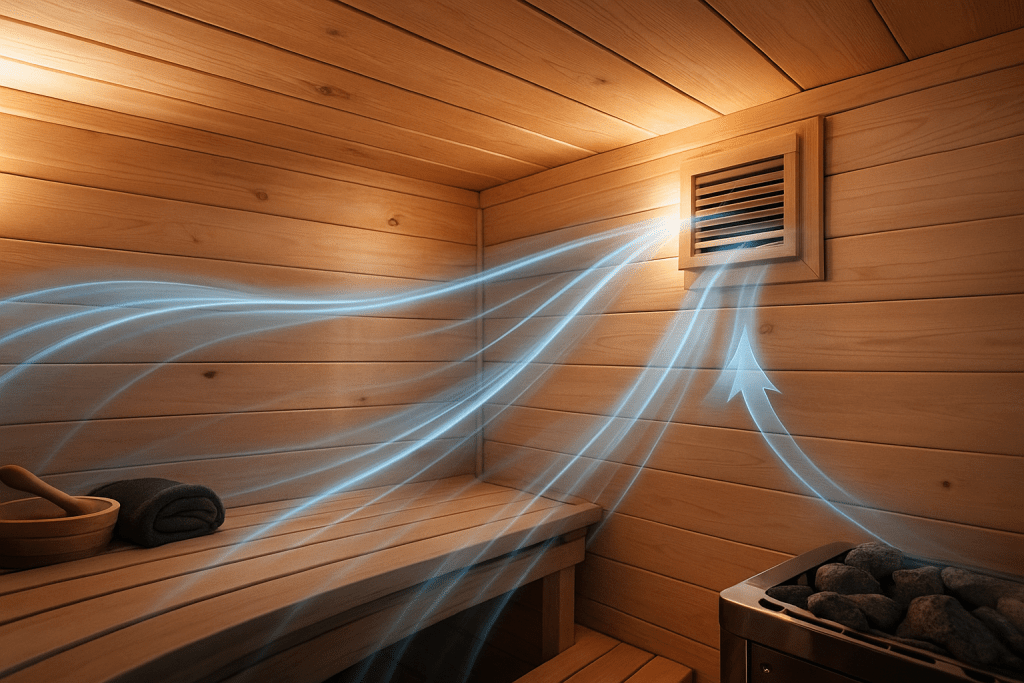
One of the most effective ways to prevent mold and rot is maintaining adequate airflow. Make sure your sauna has:
- Intake vents near the floor to bring in fresh air.
- Exhaust vents near the ceiling to allow humid air to escape.
After each use, leave the sauna door slightly open for a few seconds to allow any remaining steam to escape. This simple routine ventilation helps reduce the risk of mold and extends the life of your wood.
3. Cleaning and Drying Routine
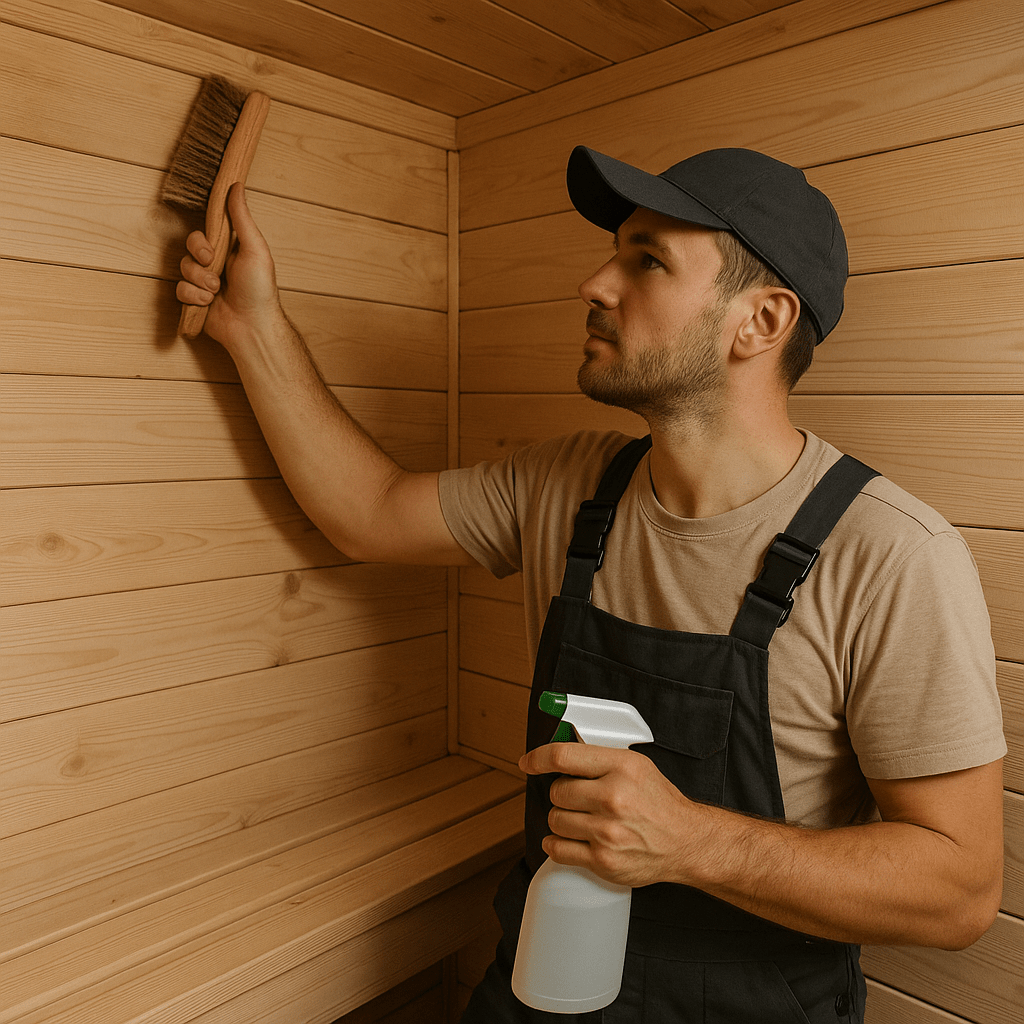
Cleaning your sauna regularly helps prevent mold growth and keeps surfaces smooth and safe. Tips include:
- Wipe benches, walls, and floors with a damp cloth and mild soap. Avoid harsh chemicals that can damage the wood.
- Use a soft-bristled brush to remove dirt from grain patterns.
- Periodically, allow the sauna to dry completely by running it at high heat with the door open for 15–20 minutes.
This simple routine prevents moisture from lingering and reduces the risk of mold and warping.
4. Moisture-Resistant Treatments
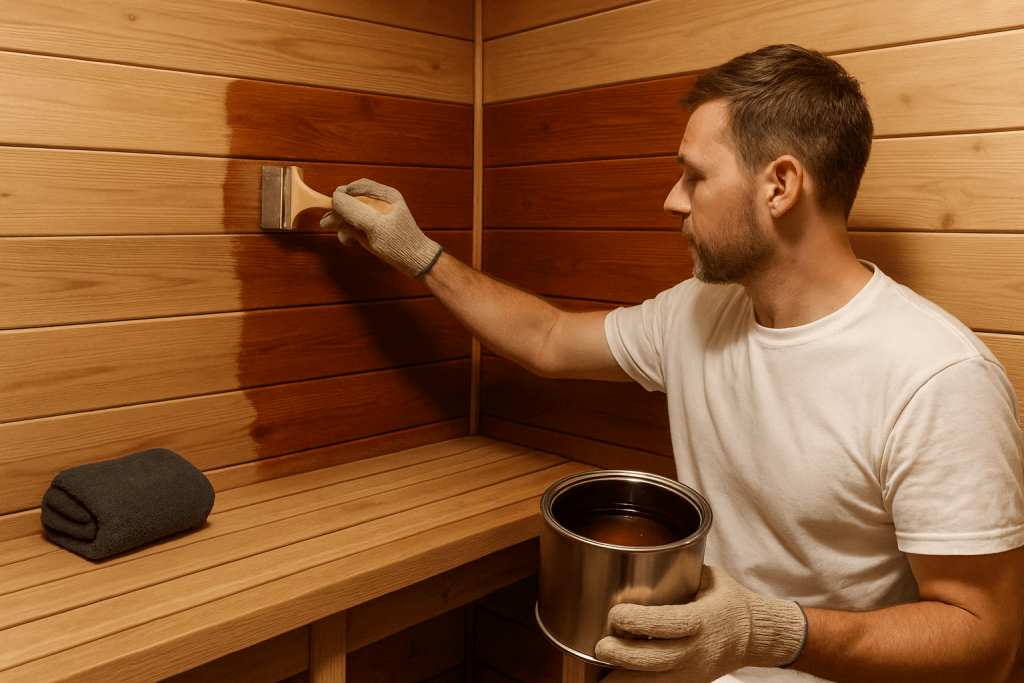
Applying the right treatments can protect your sauna wood without compromising its natural feel:
- Natural oils like linseed or cedar oil nourish and protect wood surfaces while allowing them to breathe.
- Avoid heavy varnishes or sealants that trap moisture, as this can accelerate rot.
- Treat exterior surfaces exposed to weather with UV-protective oils to prevent cracking and fading.
Consistent care ensures your sauna maintains its natural charm while remaining durable in changing weather conditions.
5. Structural Considerations
Proper design also minimizes the risk of rot and warping:
- Ensure that flooring is slightly elevated or has a drainage system to prevent water accumulation.
- Use durable woods like cedar, hemlock, or thermowood for high-contact areas such as benches and floors.
- Consider removable panels for easy inspection and maintenance of hidden structural components.
6. Seasonal Maintenance
Outdoor saunas require a little extra care during seasonal transitions:
- Winter: Ensure snow or ice doesn’t build up on roofs or around ventilation areas.
- Summer: Inspect for UV damage and ensure sun-exposed wood doesn’t dry too quickly.
- Post-storm: Check for leaks, standing water, or debris trapped against wood surfaces.
Following a seasonal checklist keeps your sauna in top condition year-round.
7. Expert Resources
For wood care, cleaning tips, and seasonal maintenance of your wooden sauna, visit the Backcountry Recreation blog. Expert advice helps sauna owners protect their investment and enjoy a safe, long-lasting sauna experience.
About Author
